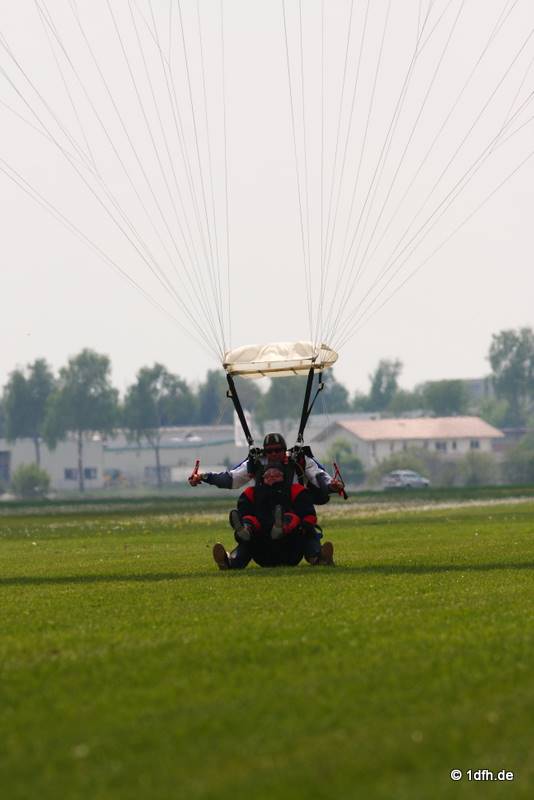
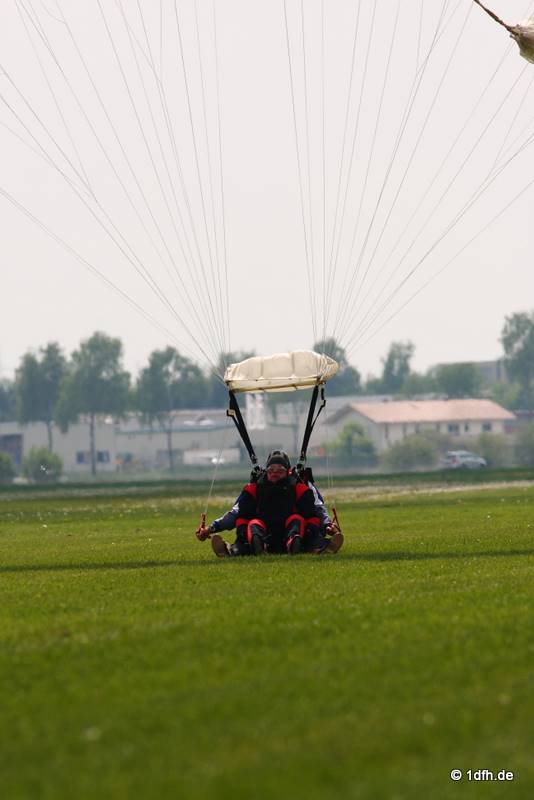
Sie waren die Pioniere des Formationsspringens in Deutschland. Nun sind sie alle über Siebzig, aber noch immer zu jung für das Altenteil. Ihre Mission: Ein letzter Weltrekord im freien Fall.
Sie alle sind heute um die 70 Jahre alt, und sie haben eine gemeinsame Vergangenheit: Sie sind Gründungsmitglieder des legendären Fallschirmspringer-Teams „Walters – Vögel“. Ein verrückter Haufen spaßbesessener Individualisten. Maurer oder Chirurg, Installateur oder Künstler, zusammengeschweißt durch ihre unbezähmbare Lust im „Freien Fall“ oder „Skydiven“ – wie die Amerikaner diese beflügelnde Extremsportart nennen. Eine Leidenschaft, welche die Männer bis heute in ihren Bann zieht. Und sie wollen es noch einmal wissen. Ihr Ziel: Ein letzter Weltrekord im freien Fall.
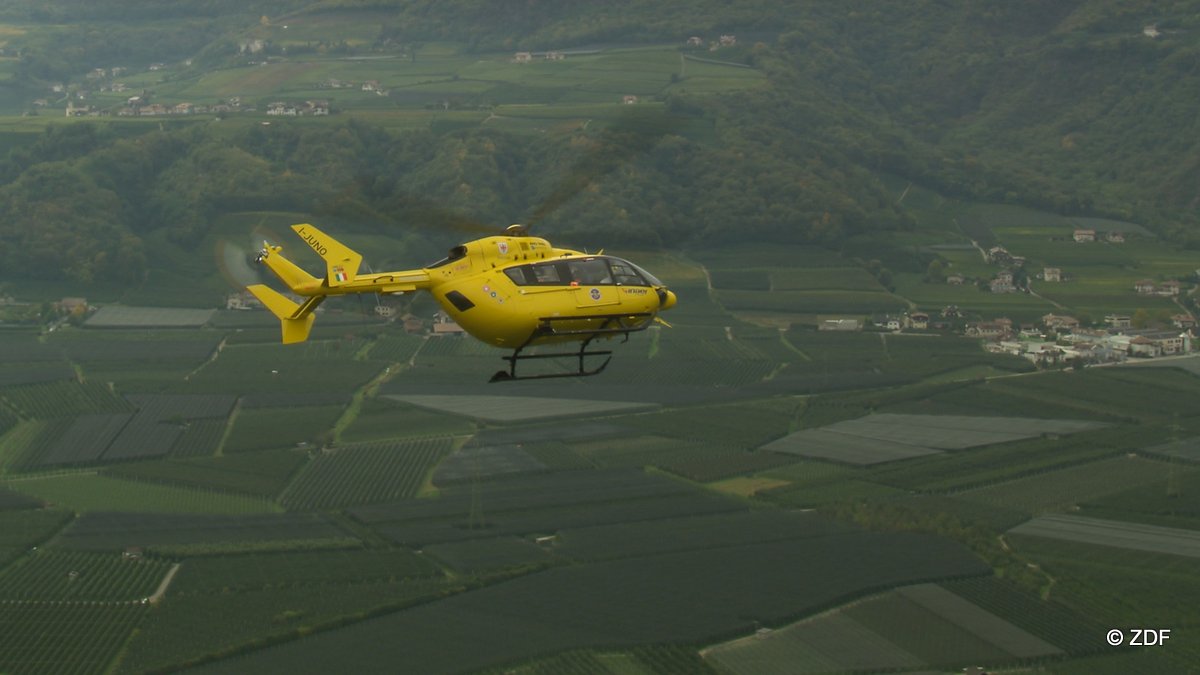
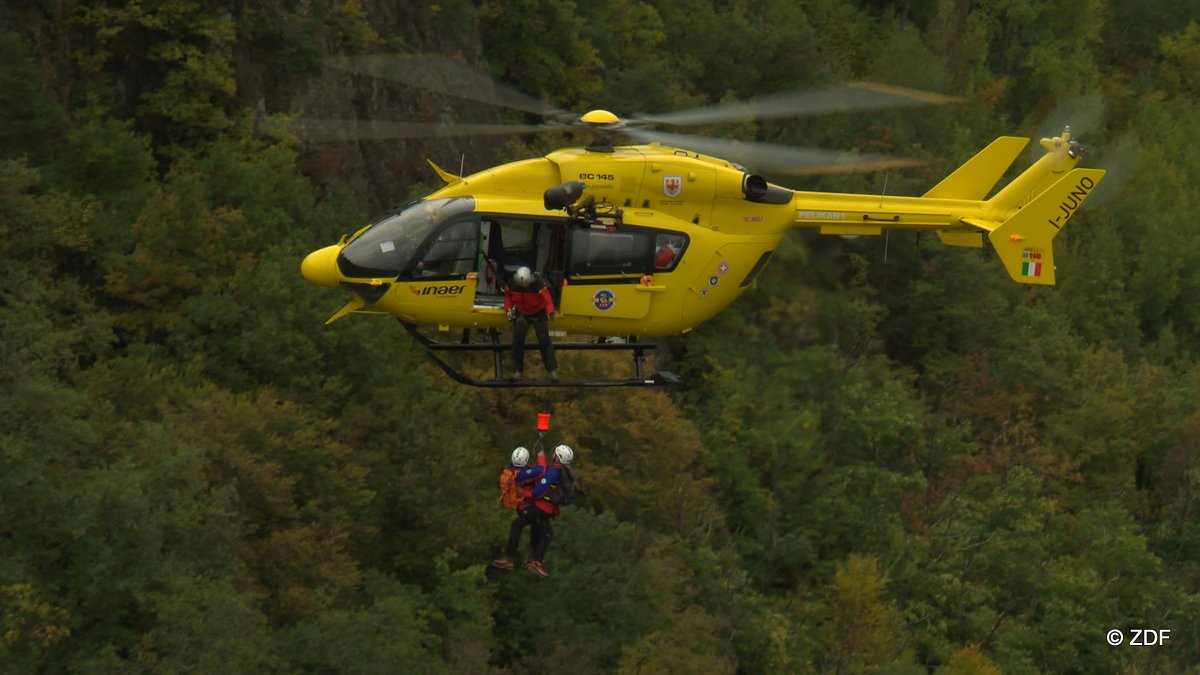
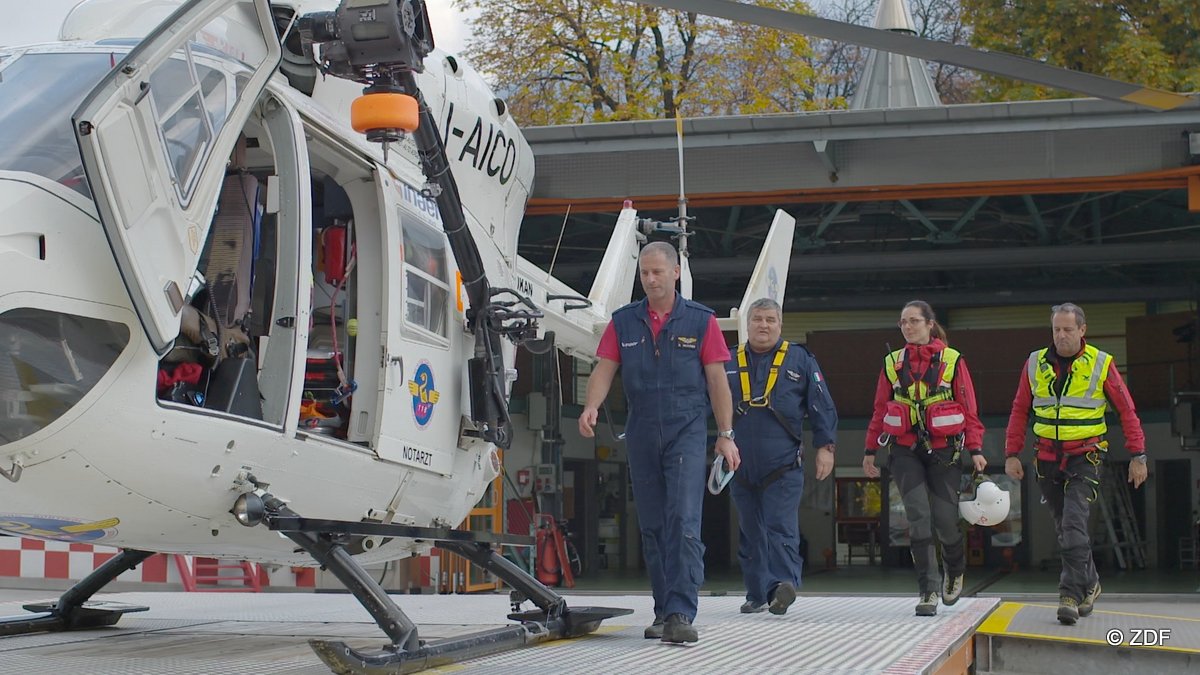
Vor der Südtiroler Bergkulisse sind die Rettungshubschrauber Pelikan 1 und Pelikan 2 im Einsatz. Die Luftrettung ist eine Mischung aus Millimeterarbeit am Steuerknüppel und Ärztehandwerk am Limit.
Die „ZDF.reportage“ begleitet die Arbeit von Notärzten, Flugrettern, Bordtechnikern und Piloten in Bozen und Brixen. Der Dienst beginnt mit dem täglichen Briefing bei Sonnenaufgang und endet mit dem Helikopter-Check bei Sonnenuntergang.
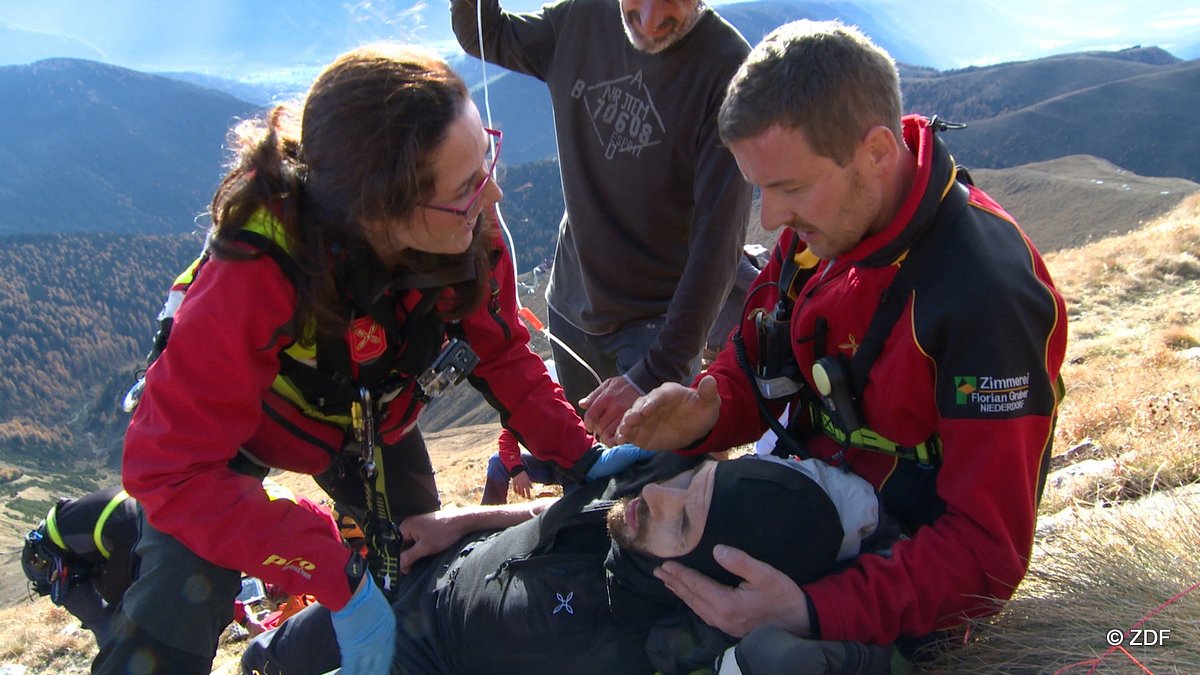
Es gilt möglichst schnell am Einsatzort zu sein, auch wenn die Informationen bei Einsatzbeginn meistens noch dürftig sind. Manchmal entscheiden Sekunden oder Minuten über Leben oder Tod. Die Rettungsflieger werden zu Autounfällen und zu abgestürzten Gleitschirmfliegern gerufen. Verirrte oder verletzte Bergsteiger werden versorgt, genau wie Menschen mit Herzinfarkten oder lebensbedrohlichen Krankheiten.
Notarzt Manfred Brandstätter ist mit 64 Jahren ein „alter Hase“. Er vermittelt die notwendige Ruhe und Gelassenheit, hat mit Abstand die meiste Erfahrung. Noch nicht so lange dabei ist die 36-jährige Notärztin Ivana Gutwenger. Sie ist eine eher zierliche Frau, gilt unter den Kollegen als hochkonzentriert, bestimmt und kompetent.
Die Reportage zeigt die Arbeit der Notärzte, der Piloten und Bordtechniker. Moderne Technik, eingebunden in ein eingespieltes Rettungssystem. Eine Reportage auch über die höchst unterschiedlichen Persönlichkeiten der Retter – Menschen mit Geschichte, Idealen, individuellen Fähigkeiten und Eigenheiten.
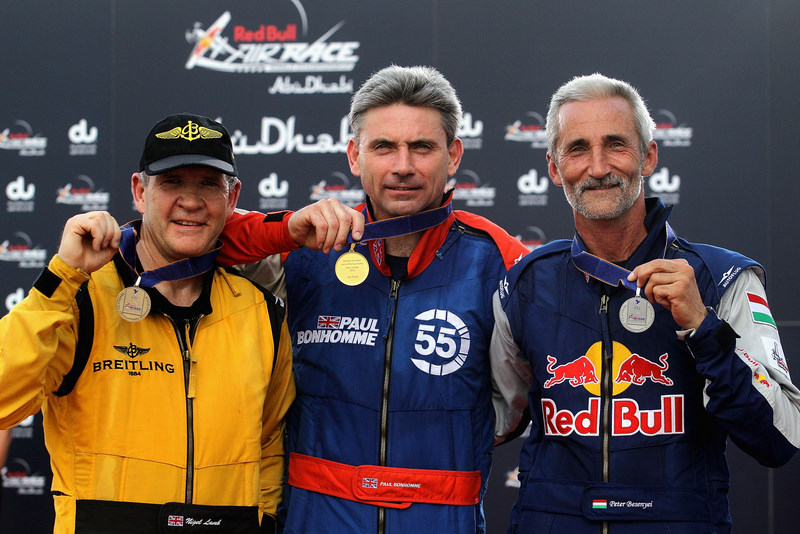
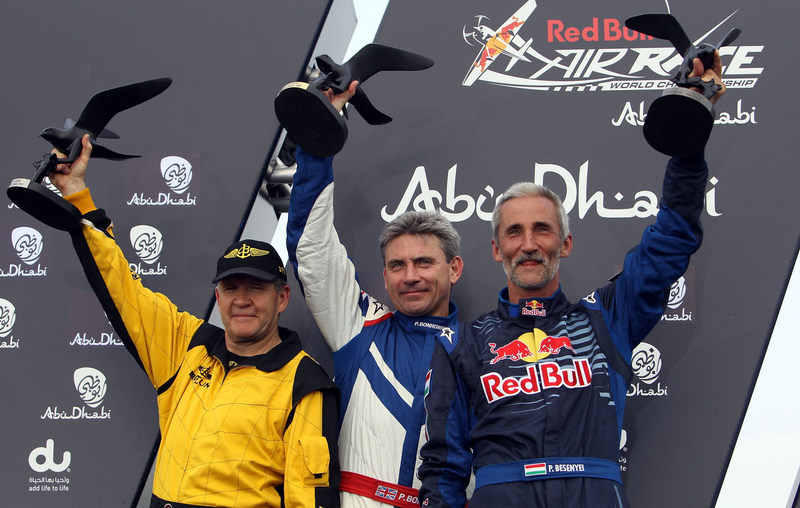
The race season gets off to a spectacular start in the United Arab Emirates and the gulf-side glamour of its capital Abu Dhabi. Watch it LIVE on redbull.tv!
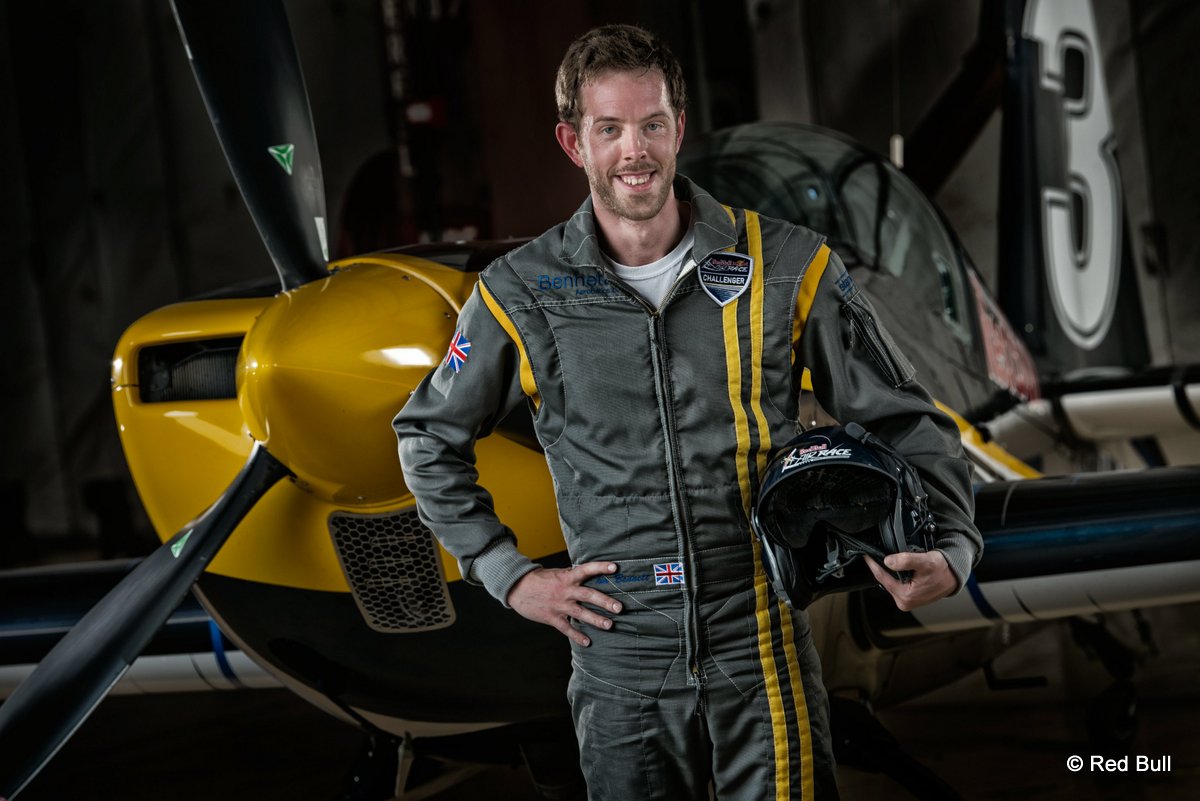
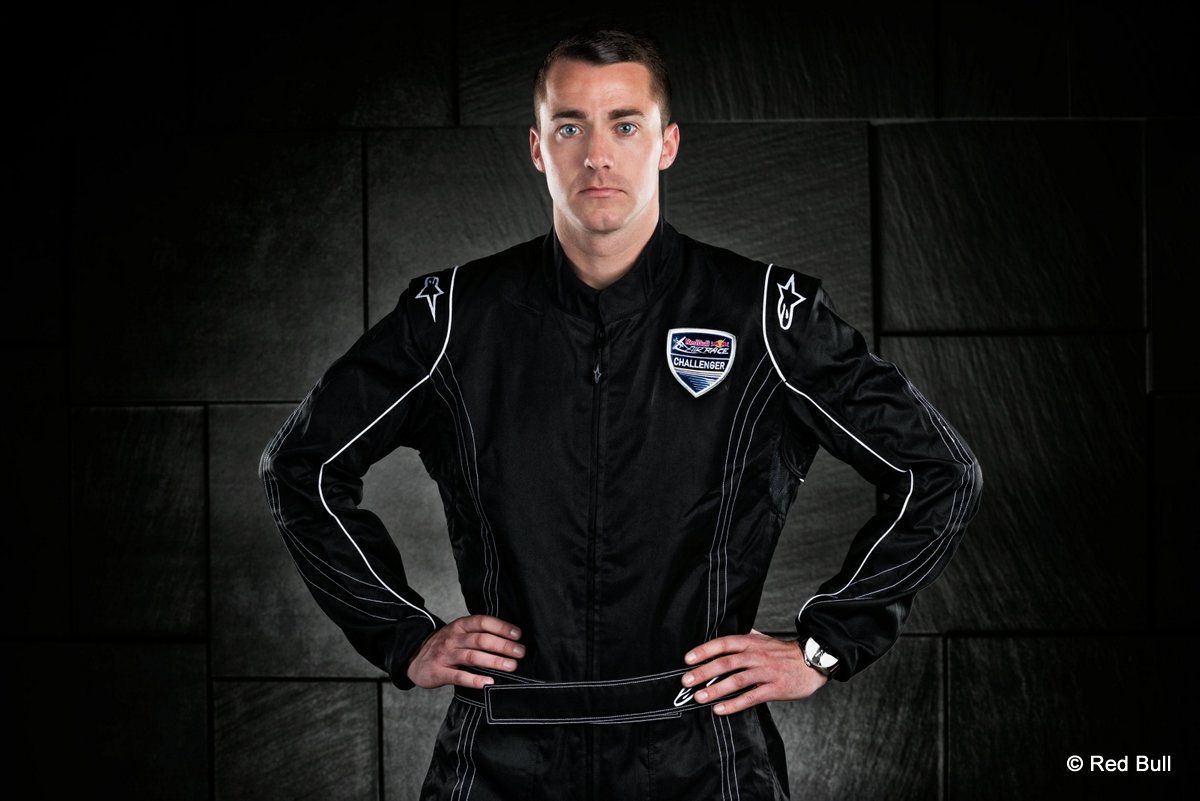
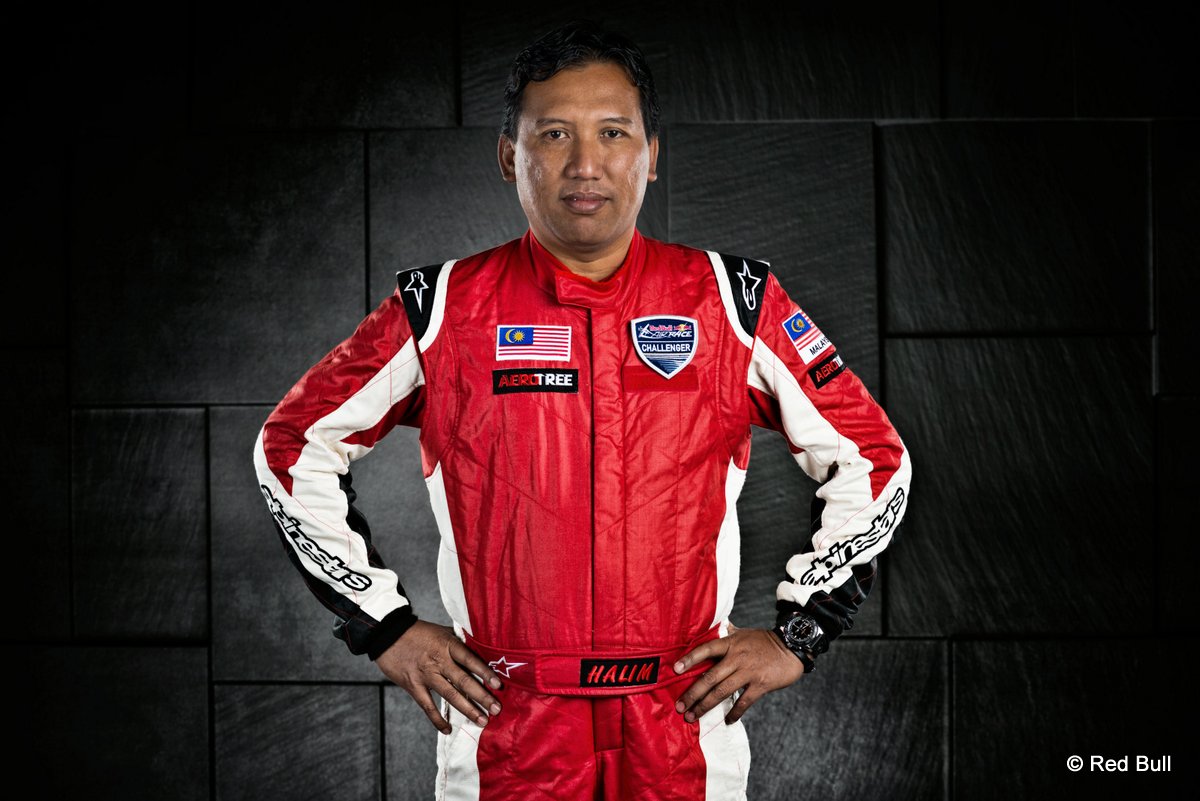
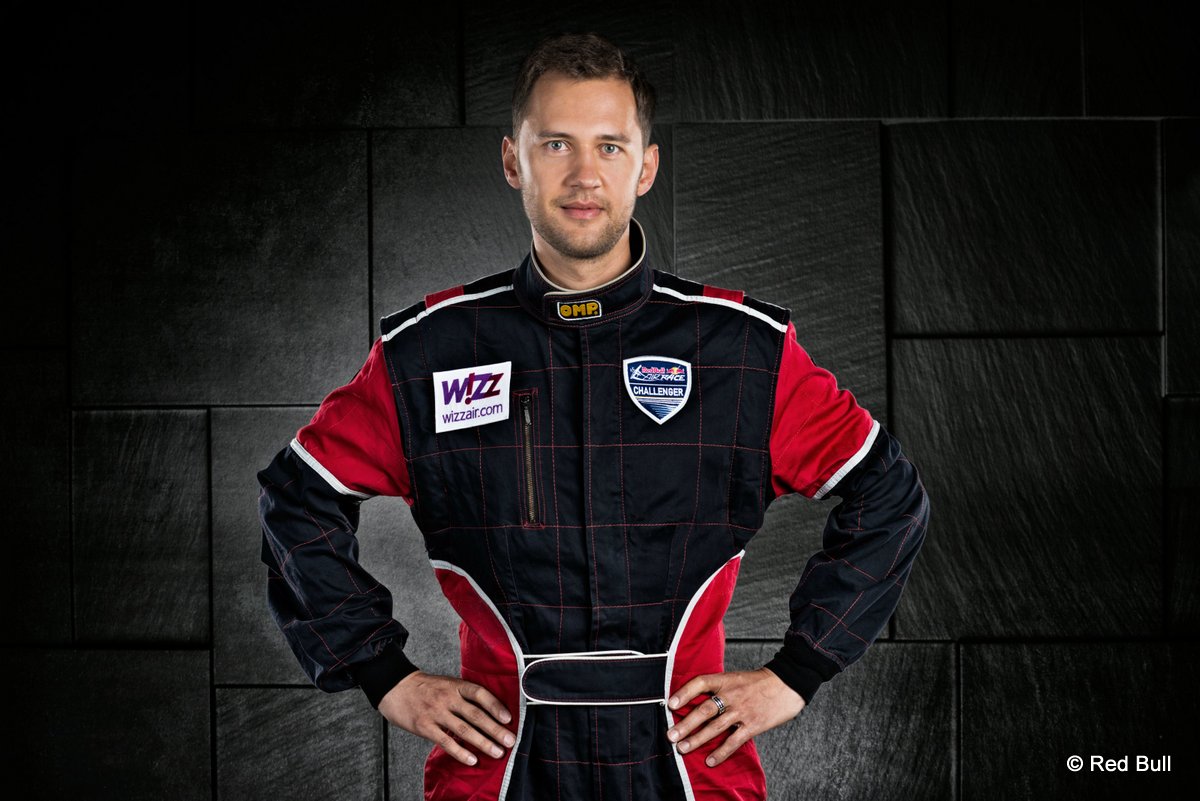
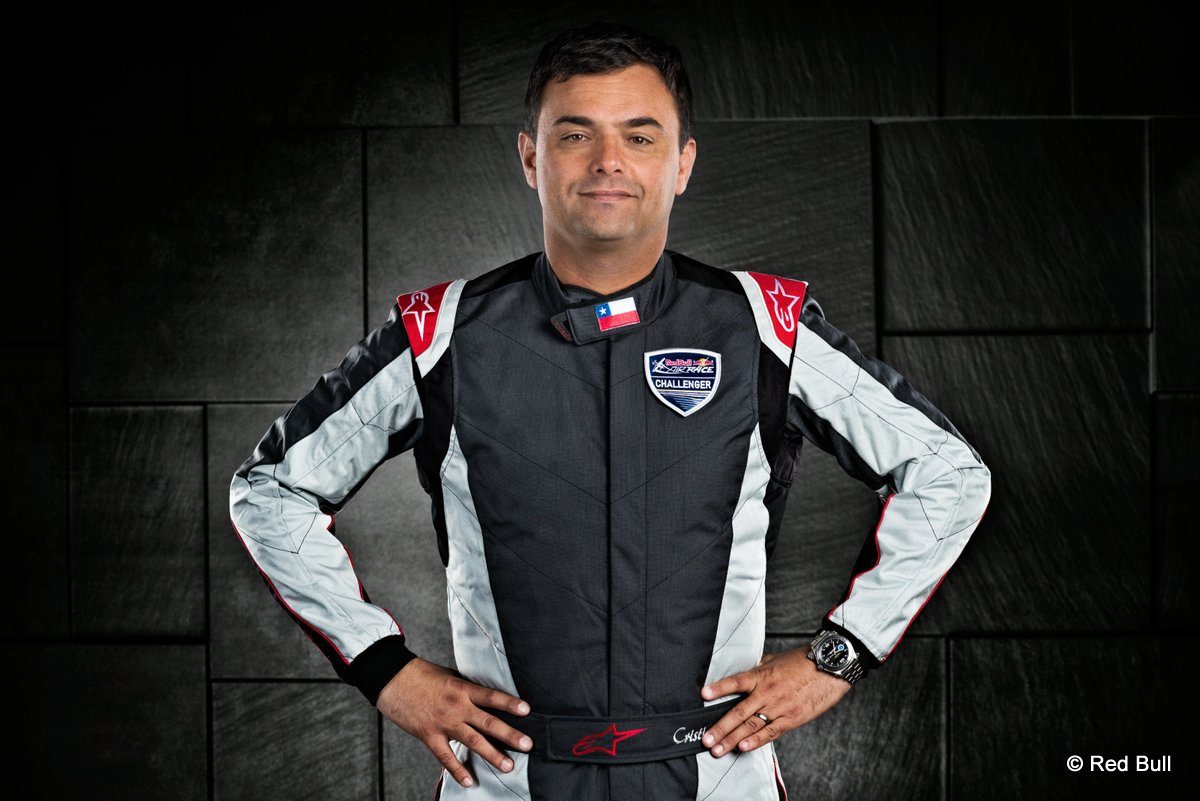
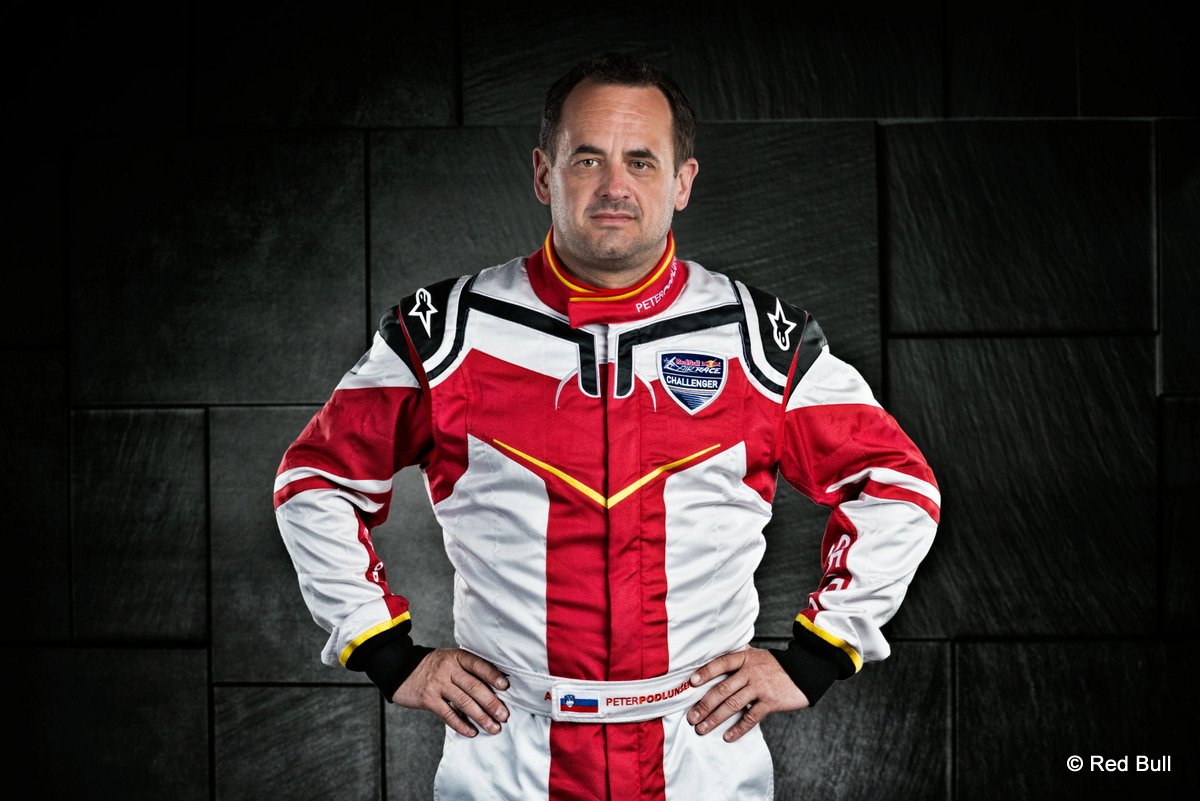
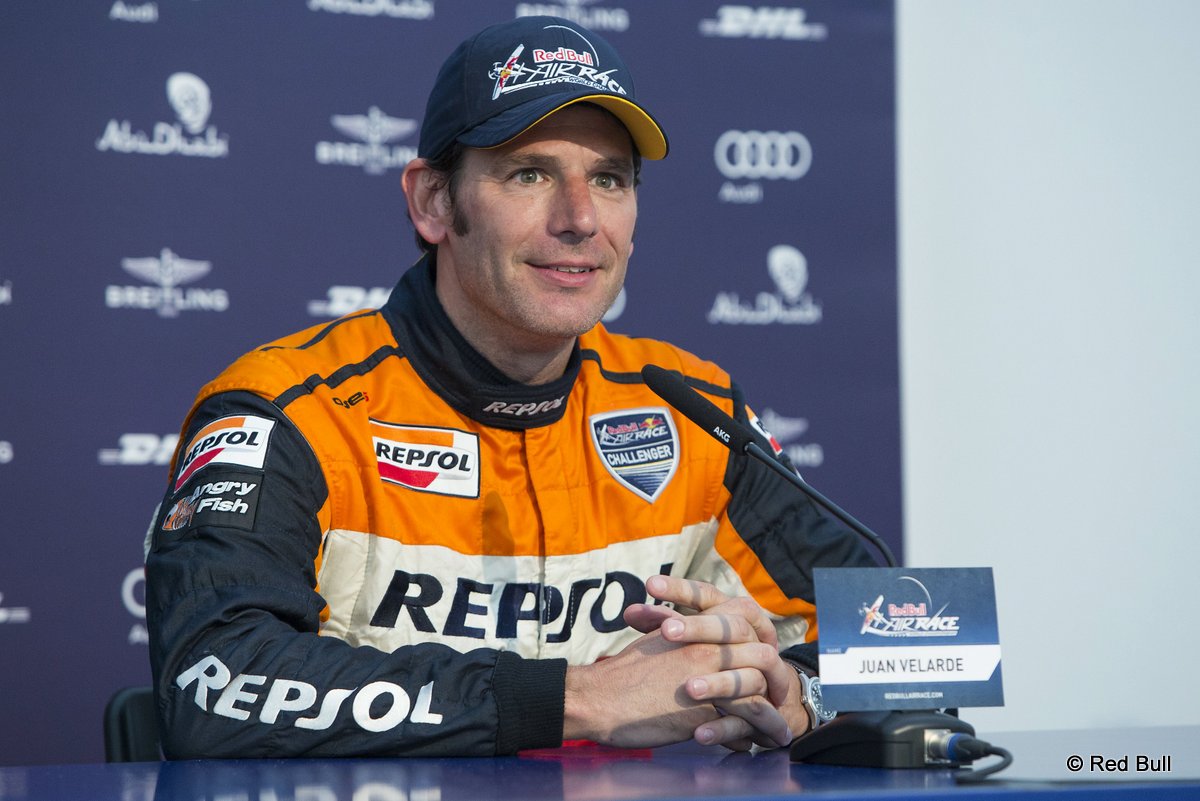
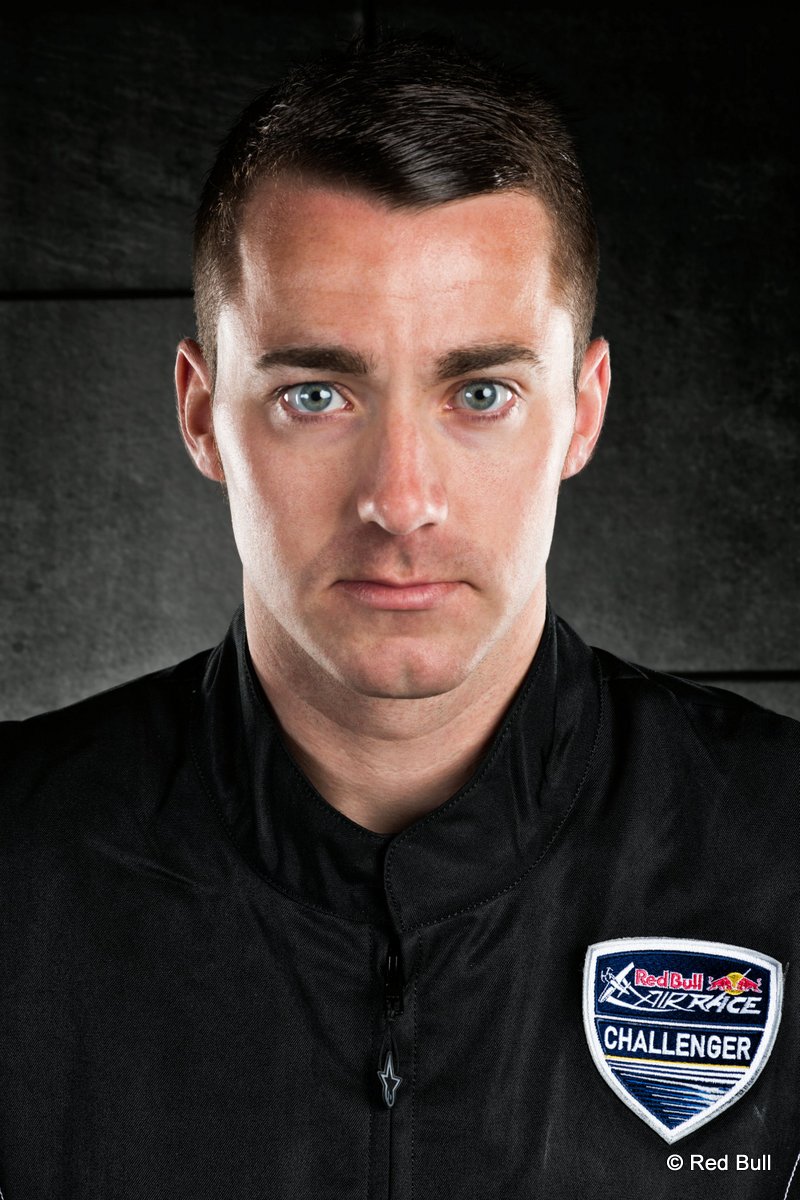
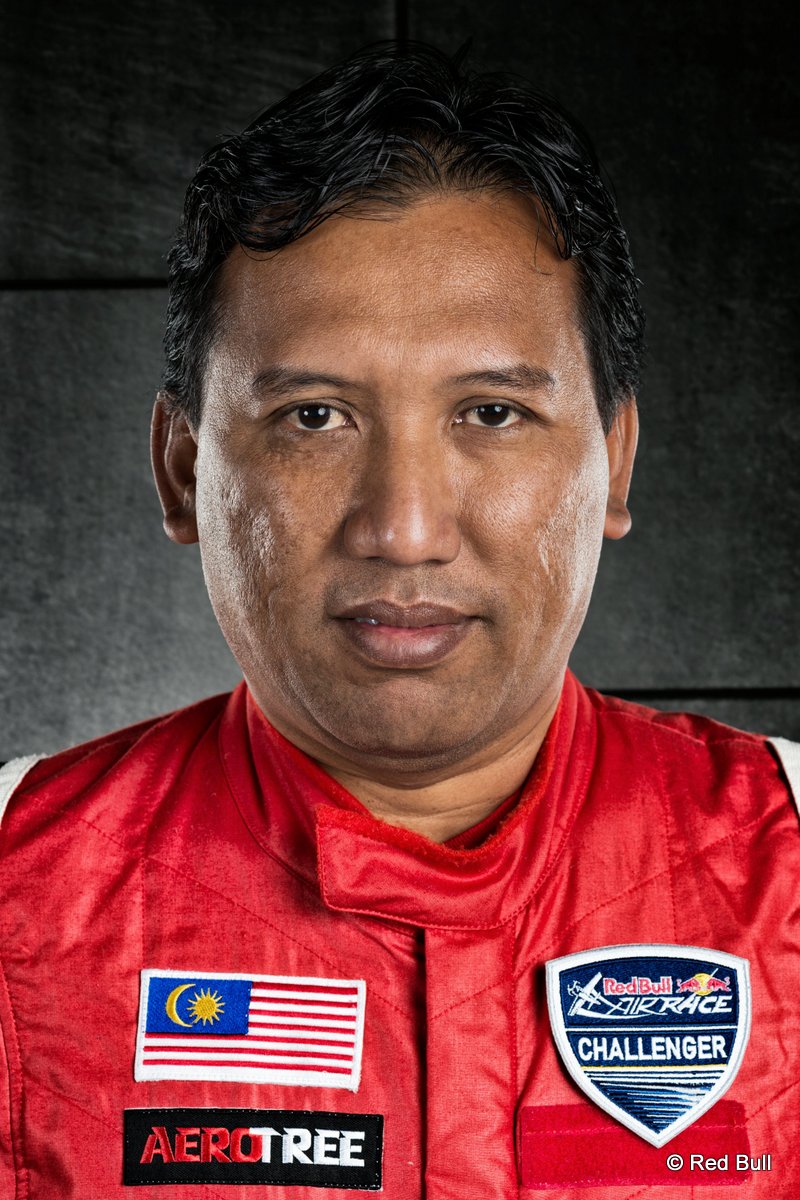
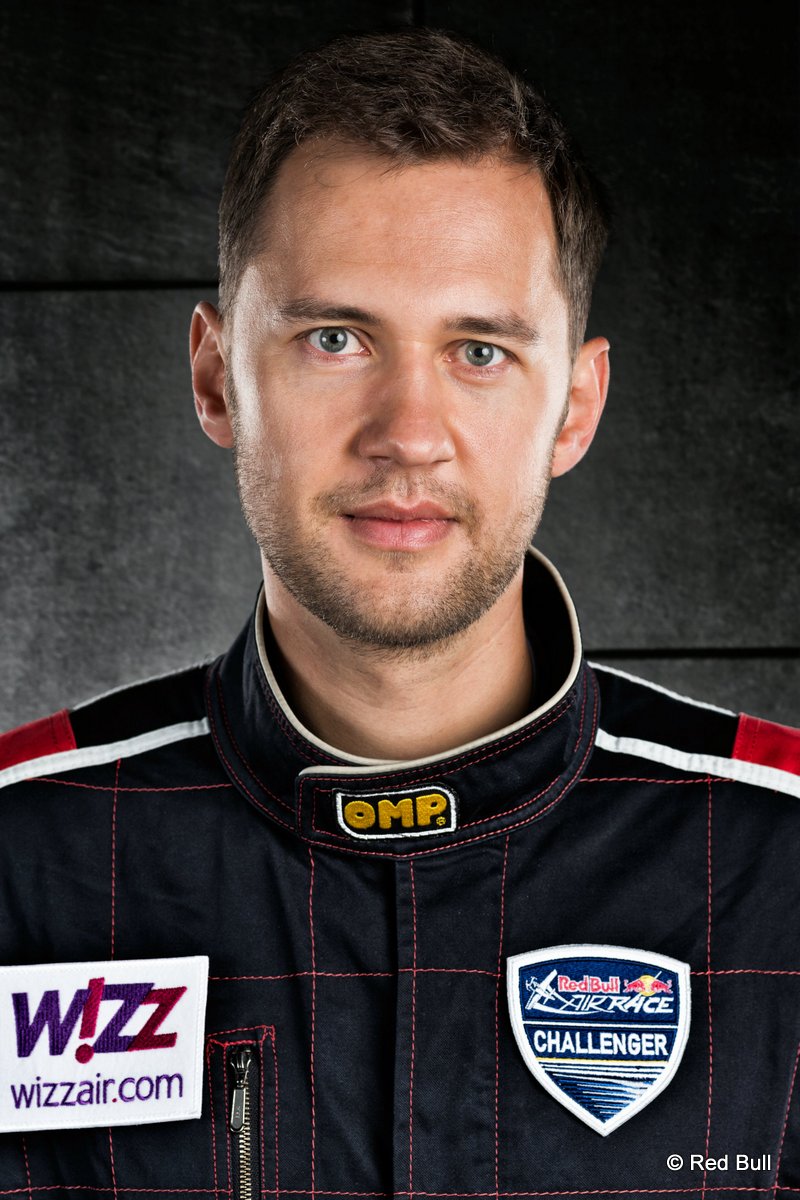
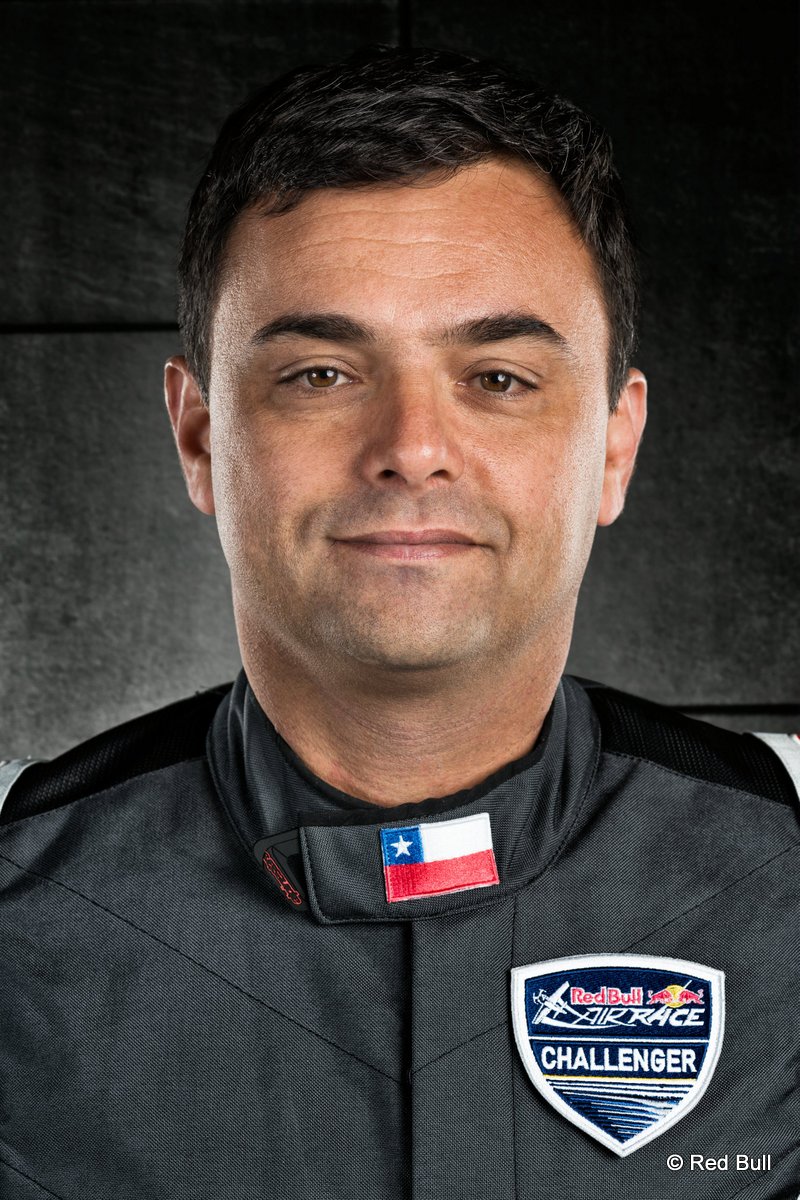
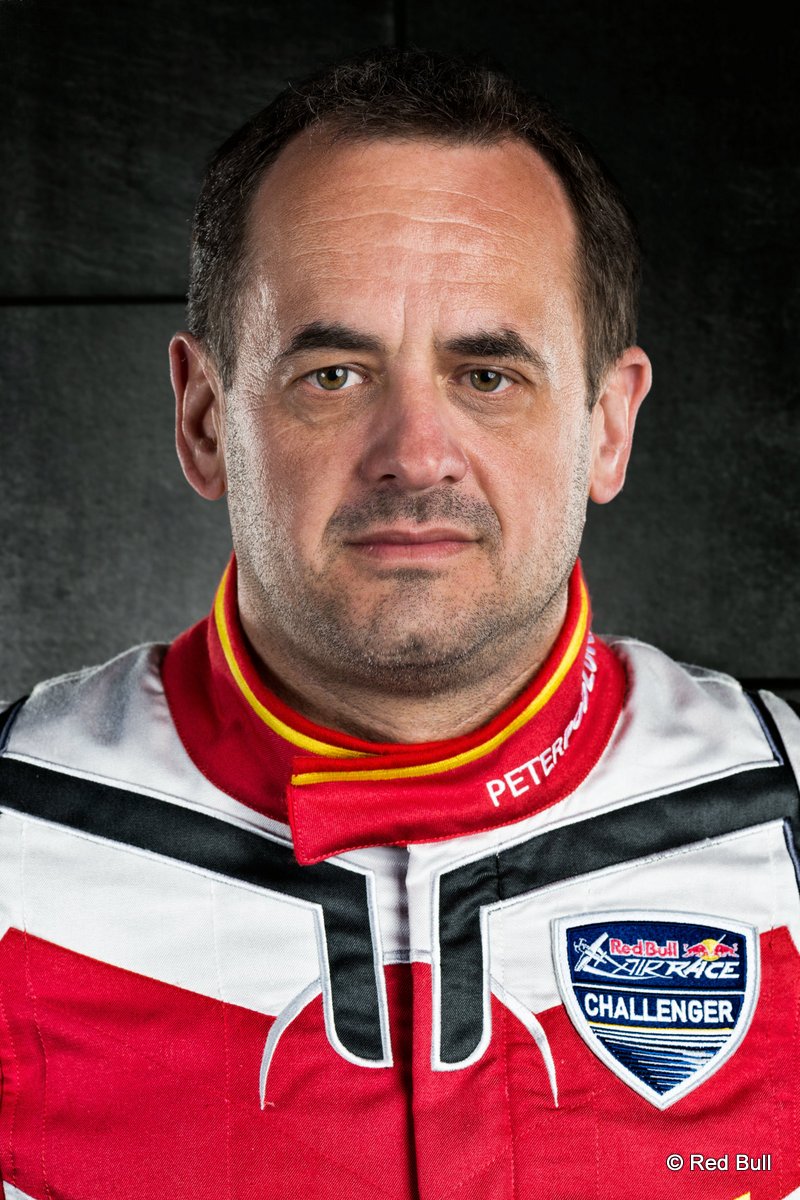
An exciting new feature of the 2014 Red Bull Air Race World Championship will be the debut of the new Challenger Cup that will give a new generation of talented pilots from around the world a chance to experience the thrills of the sport in a slightly less pressure-packed environment, while giving fans a new competition and new crop of pilots to cheer for.
The eight outstanding new pilots from seven different nations will be racing for Challenger Cup points and the even more valuable Red Bull Air Race track experience on Qualifying Days of the World Championship. The twin aims of the Challenger Cup are to give promising young pilots the chance to develop their low-altitude flying skills under racing conditions and thus further enhance the overall safety of the world’s fastest motorsport series.
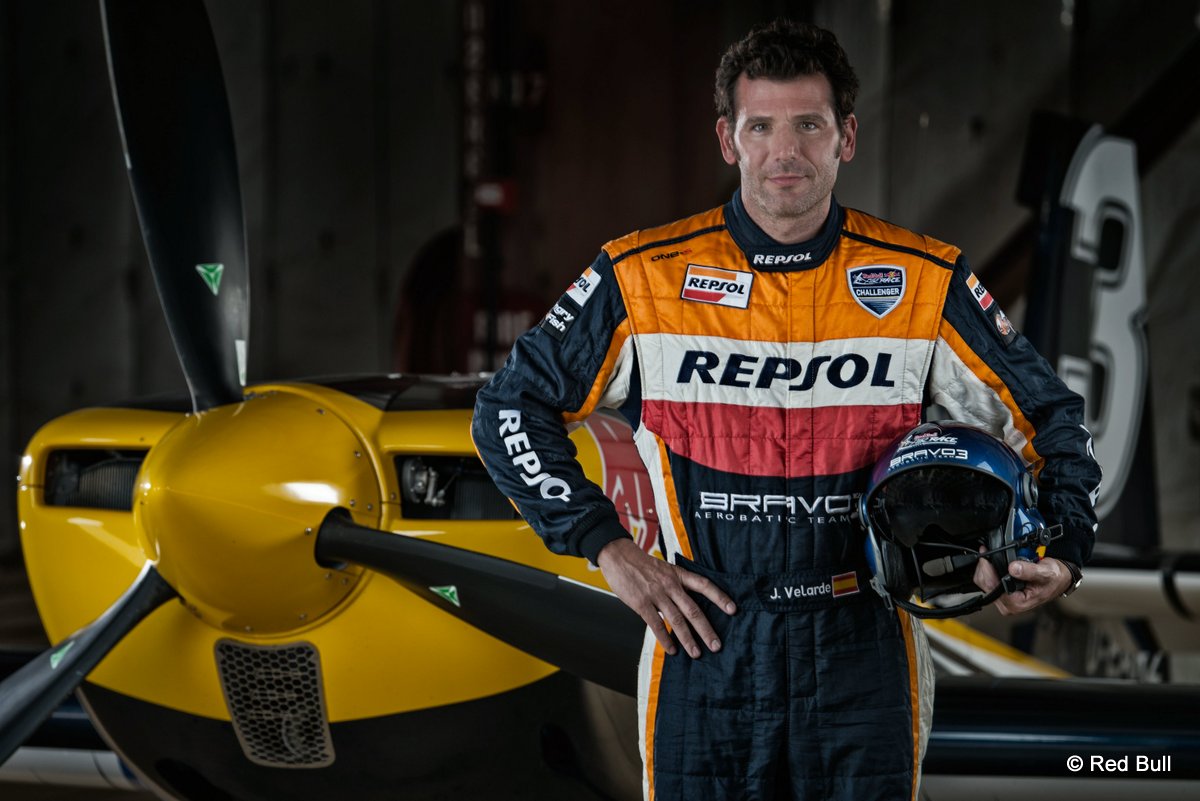
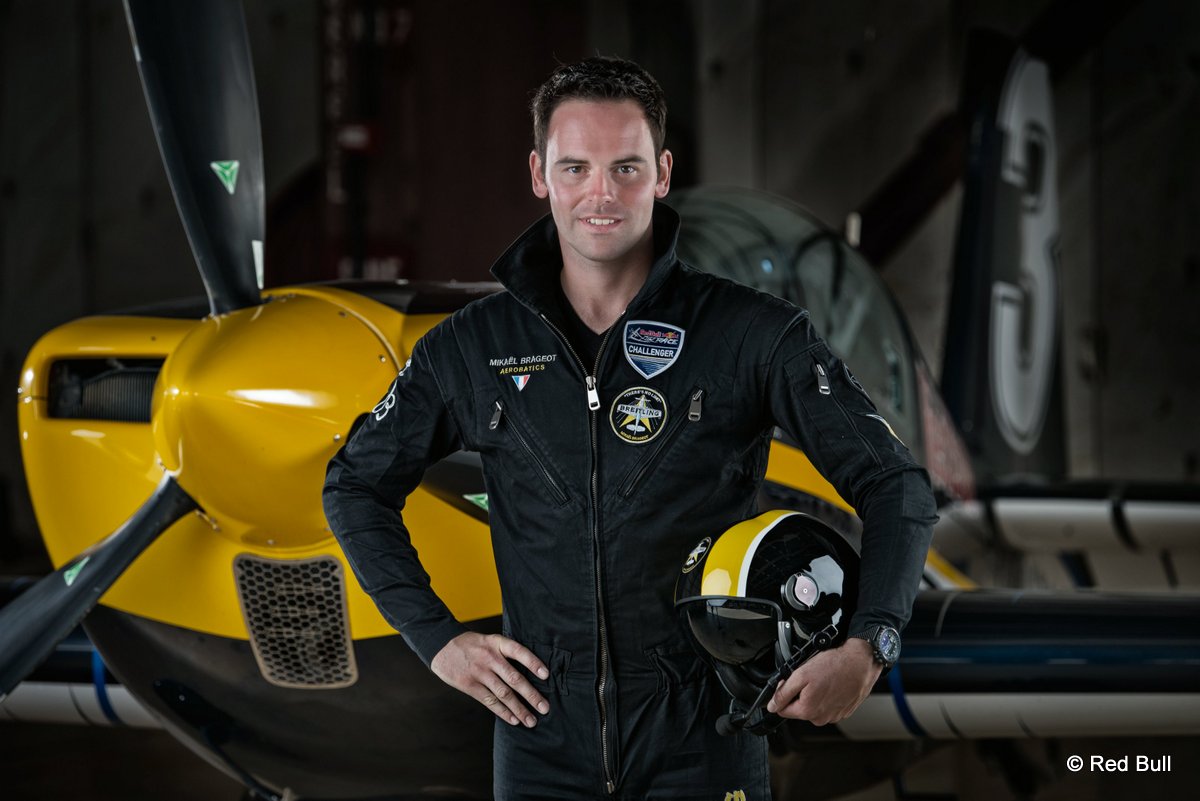
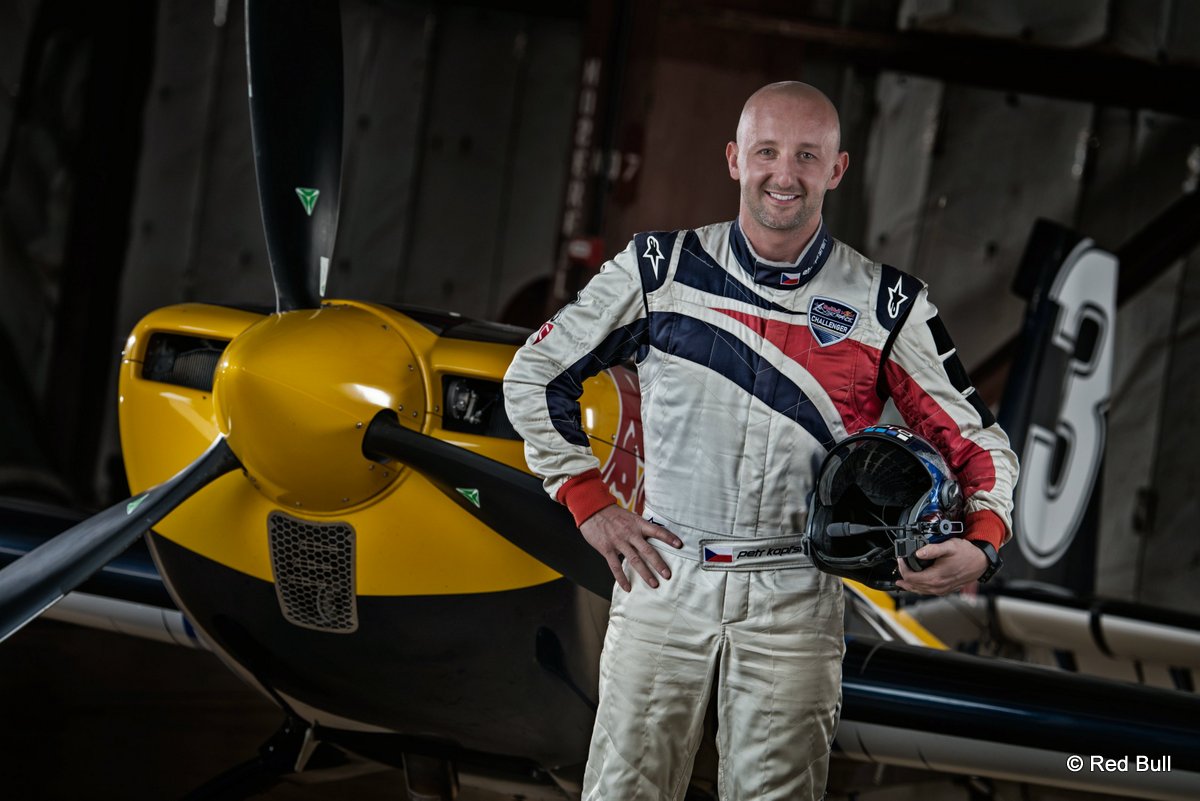
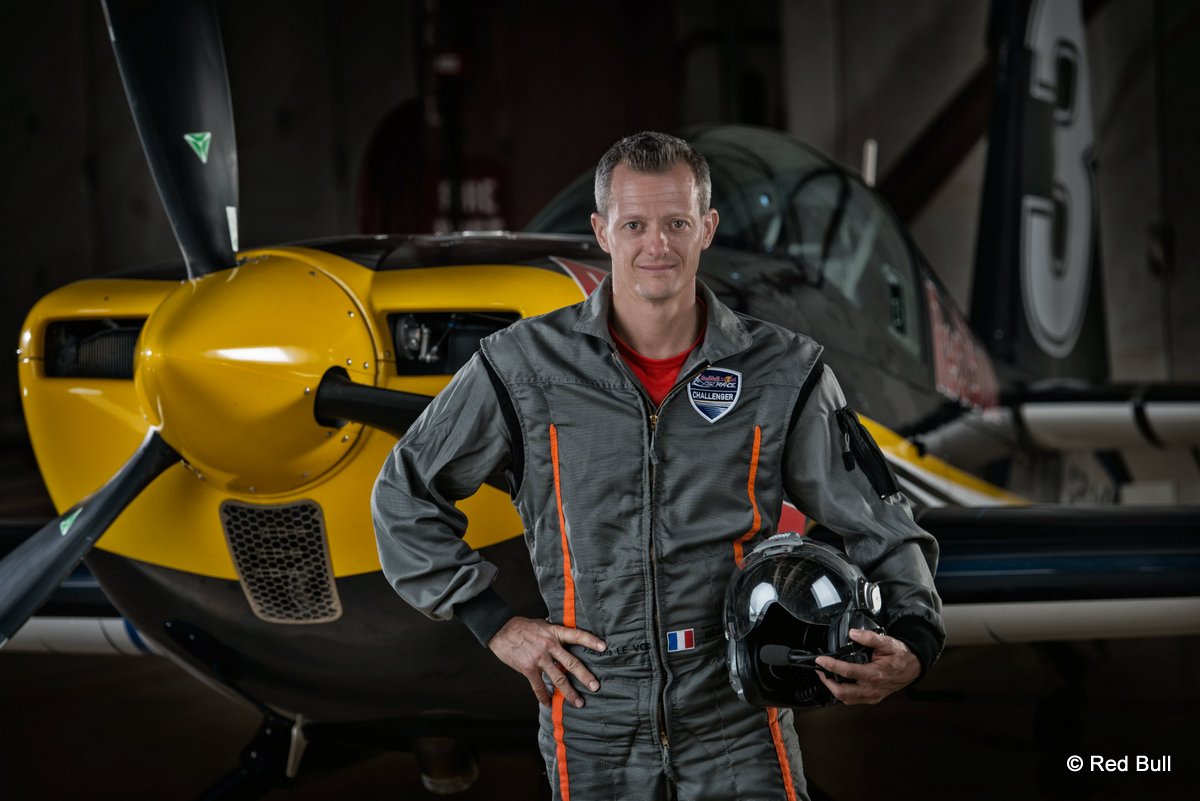
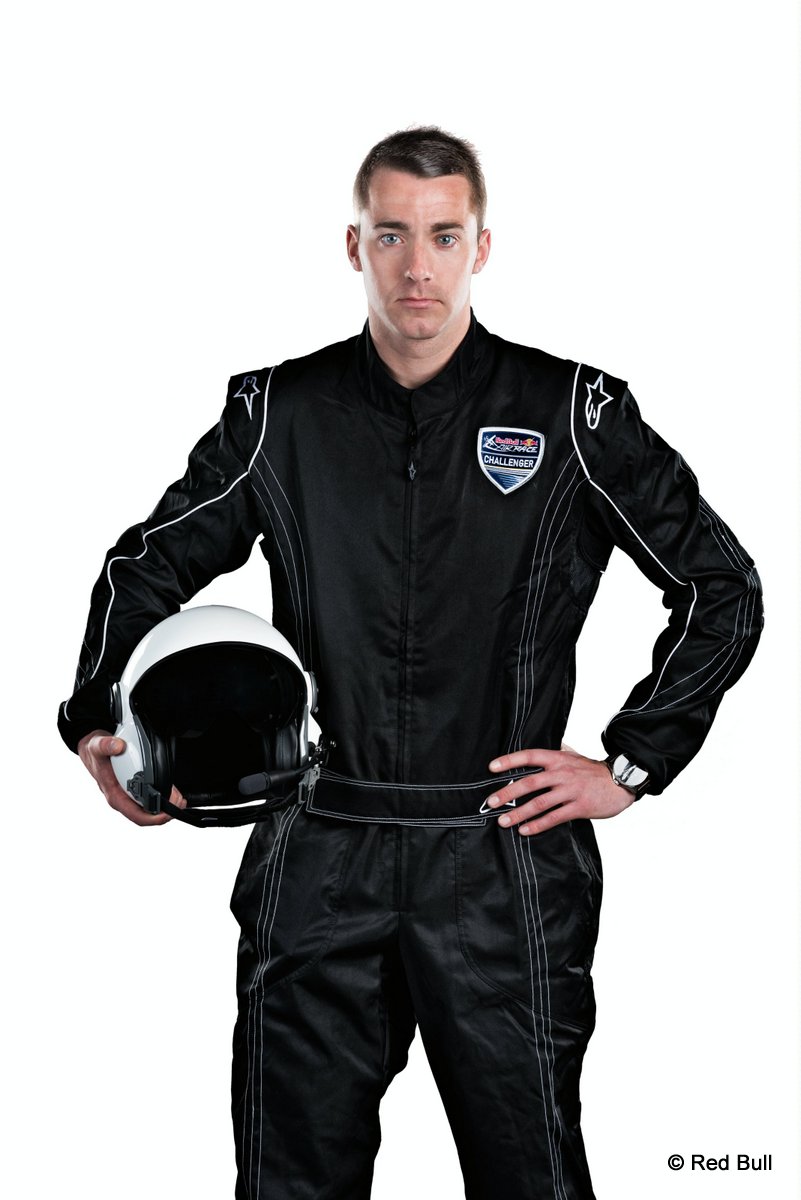
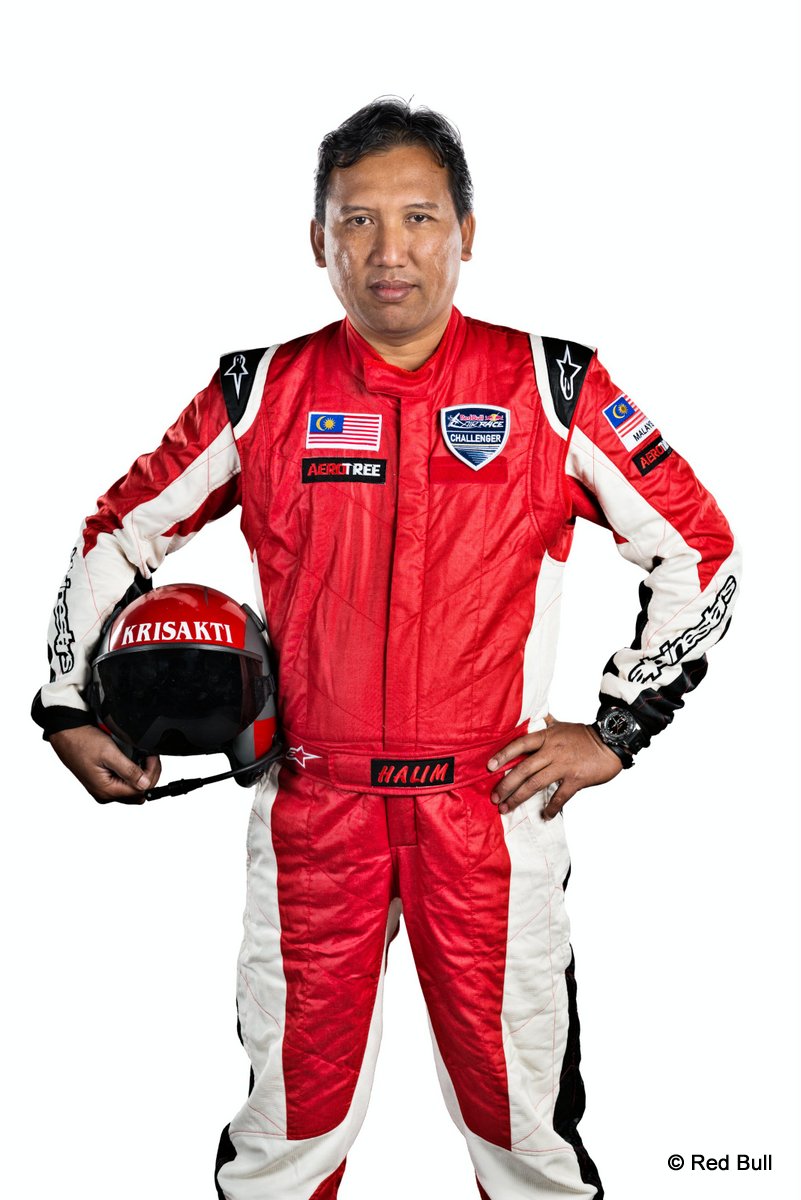
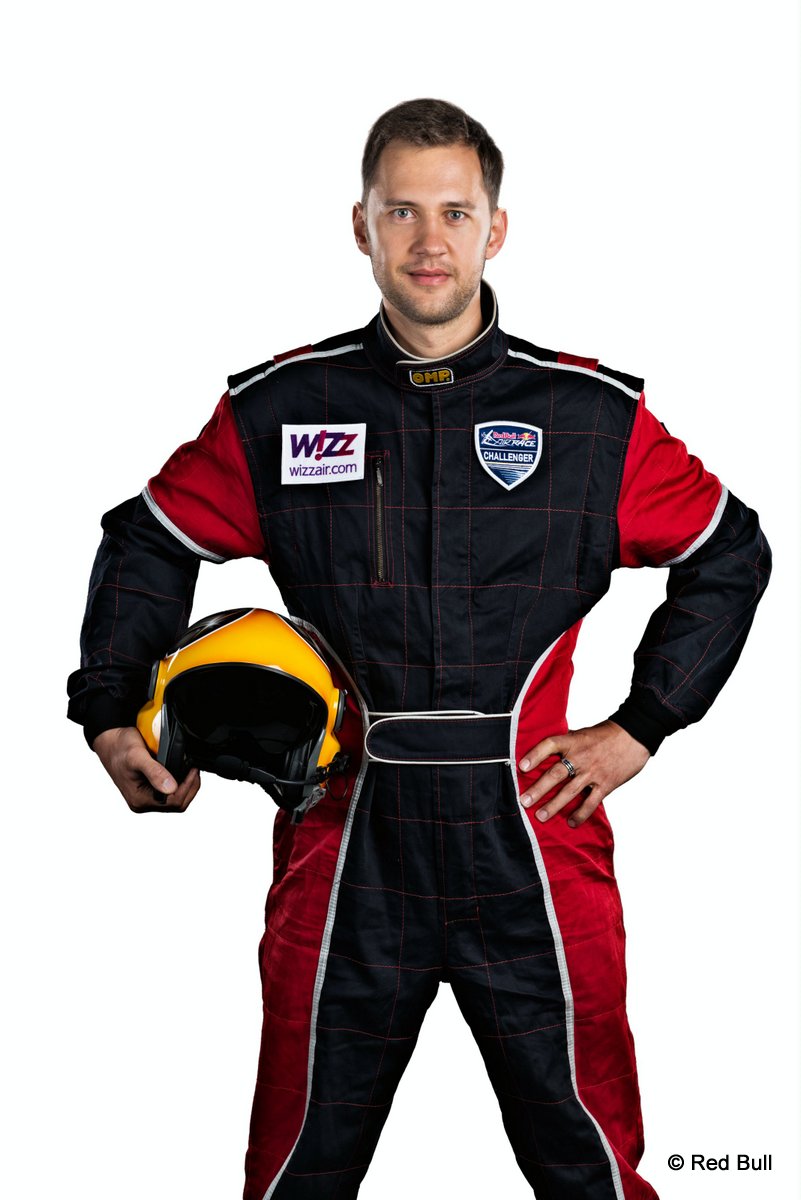
The Challenger Cup pilots are Tom Bennett of Great Britain, Mikael Brageot of France, Petr Kopfstein of the Czech Republic, Francois Le Vot of France, Peter Pondlusek of Slovenia, Daniel Ryfa of Sweden, Claudius Spiegel of Germany and Juan Velarde of Spain.
„I’m very excited to be part of the next generation of the Red Bull Air Race,“ said Brageot, who has been getting tips from his Breitling teammate Nigel Lamb. „I’ve been following the guys and the racing for years, and to now be a part of it is a dream for me. My goal is to gain as much experience as possible during the Challenger Cup races to hopefully step up to compete in the Master Class before too long.“
Lamb, a seasoned Red Bull Air Race pilot, said he was pleased to have the chance to tutor Brageot and admitted it was a learning experience for him as well. „For a newcomer, to enter the World Championship now is a huge step, so it is important to have a lot of support. The Red Bull Air Race is totally different to anything you’ve ever done before so the biggest learning curve will be the things you experience and learn in the track over a long period of time.
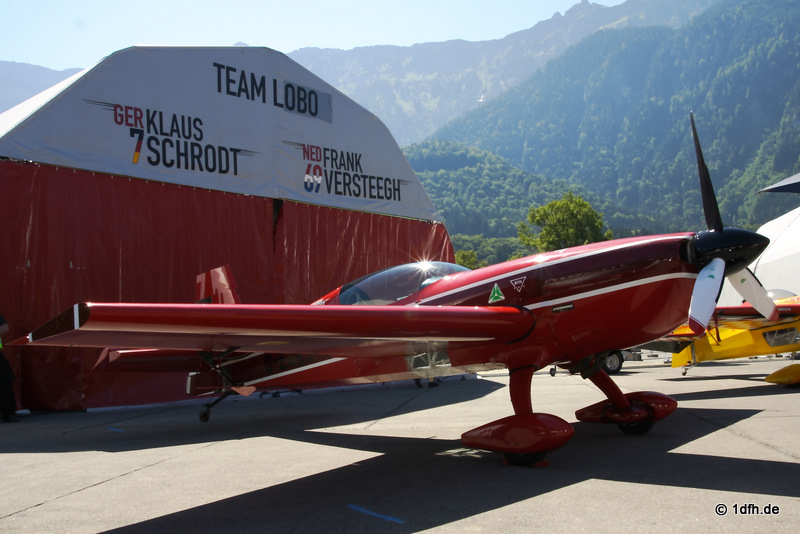
The eight pilots will be working towards acquiring the „Unrestricted Super Licence“ that is needed to be able to eventually fly one day in the master class of the Red Bull Air Race. The newcomers would first have to obtain a „Restricted Super Licence“ in a qualification camp before taking part in the Challenger Cup, which is the final stepping stone before one day winning promotion to the Red Bull Air Race. The pilots will be a single plane class cup with the Red Bull Air Race providing the aircraft – Extra E-330LX.
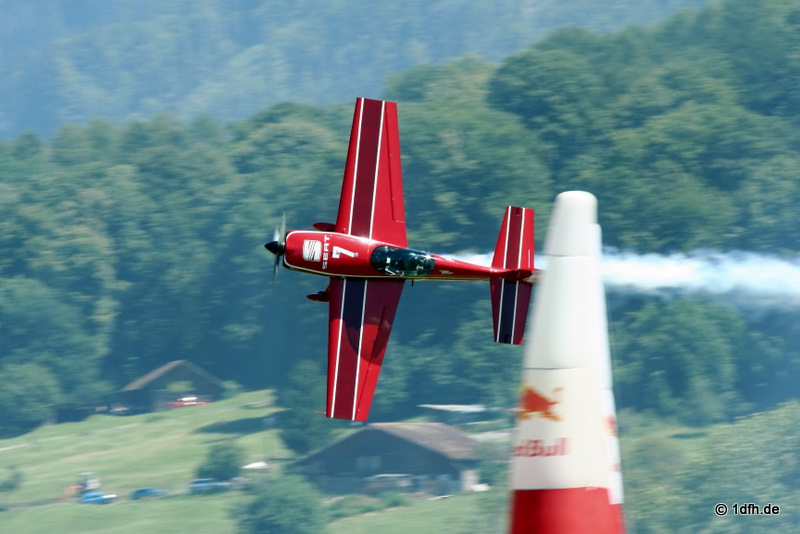
The Red Bull Air Race tracks will generally be the same for the Challenger Cup as in the race itself, but it is possible that on especially difficult tracks the course could be made less challenging by deflating a few of the pylons, according to Sergio Pla, head of aviation at Red Bull Air Race. The pilots will fly a minimum of three of the races in 2014. The Challenger Cup annual evaluation will be based on the aggregate three best races final points scored in the individual races. The top six pilots with the highest total scores will be invited to the final race of the season.























 Link
Link